
When your horse is not lazy, but frozen
Jan 26, 2026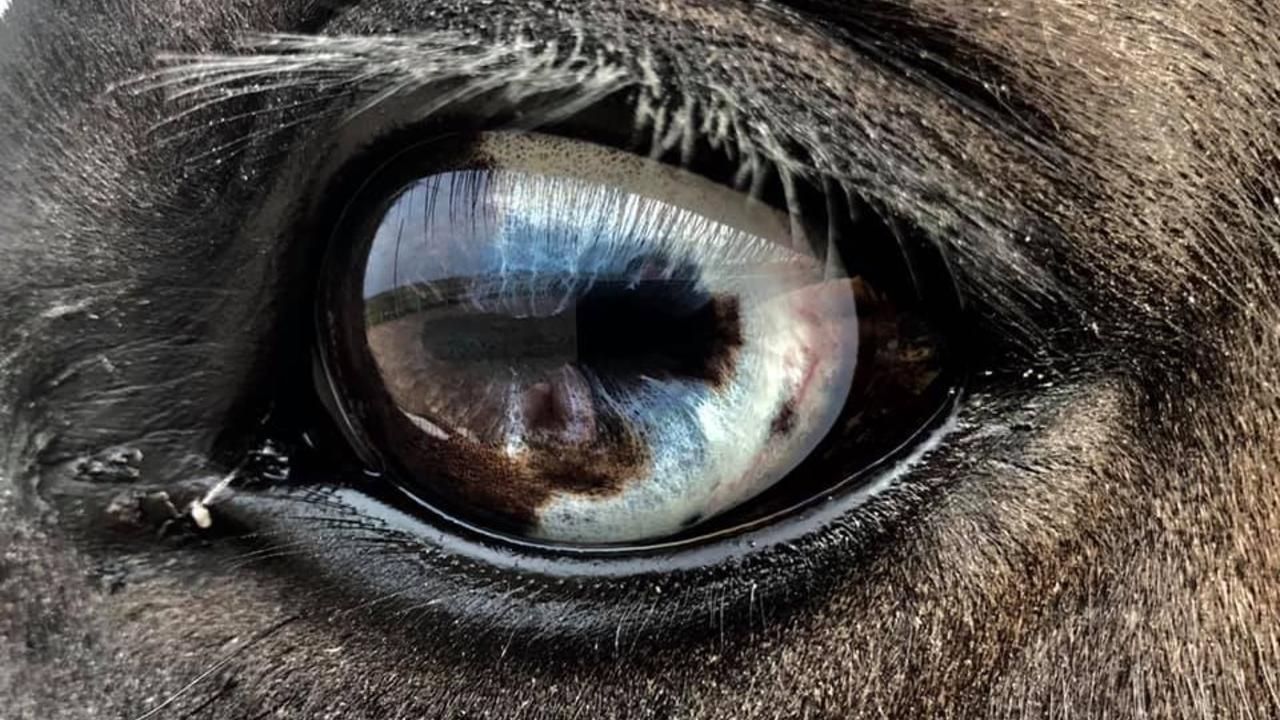
Do you have a (young) horse that responds slowly to the aids or seems rather phlegmatic?
This piece may help you understand why your horse reacts the way he does.
Horses can respond to situations they find exciting or overwhelming in four different ways:
-
Flight
-
Fight
-
Freeze
-
Faint (loss of control over the limbs)
Flight and fight are often easy to recognise, because these reactions usually cause the biggest problems for the rider. The freeze response, however, is often overlooked: “He’s so well-behaved.”
This situation can last for quite some time without escalating, as long as the pressure is not increased further.
How to recognise the freeze response
A horse in freeze may show the following signs:
-
He seems extremely well-behaved
-
He moves slowly
-
His eyes blink less and may appear to “stare”
-
He responds slowly to the aids
How to work with a horse in freeze
First of all, realise that everything new you teach your horse creates impressions that need to be processed. Give him that time.
How much time? That differs for every horse.
Stay calm and continue working within the same exercise or topic. In between, return to an exercise or movement where your horse feels comfortable.
Work within the exercise until you notice that your horse starts to “wake up”. Only then is he ready to consciously move on to the next step. Sometimes this can still happen within the same training session, sometimes it takes several days, and sometimes even a few weeks.
Signs that your horse is waking up
You can recognise that your horse has finished processing when:
-
His eyes become more lively
-
His mouth becomes more active, with chewing or licking
-
He shows more interest in his surroundings
-
His movements become more active and he starts to move more “by himself”
What is not helpful
-
Continuing to introduce new things and increasing the pressure
This can cause his “bucket” to overflow, forcing him into another reaction such as flight or fight. This creates more danger for you as a rider and damages your horse’s trust. -
Constantly driving for more forward movement
With young horses, you only ask for forward once, to walk or trot, and then you allow them to move at the tempo that comes from their own initiative at that moment. Only when they drop back to a lower gait or come to a halt do you ask for forward again.
This may well be the biggest secret to avoiding the habit of driving every single step with young horses.
A reassuring truth
Truly, once a horse comes out of freeze, he will start moving at a normal working tempo by himself, without you having to keep driving.
And the beauty of it is: later on, you won’t have to unteach unpleasant habits (such as having to drive every step). How great is that?
A practical tip for extra energy
If you would like a bit more energy, open the arena gate and ride a small loop around the yard, then return to the arena. This can be a wonderful way to create extra energy without driving—and it’s fun and varied as well.
Stay connected with news and updates!
Join our mailing list to receive the latest news and updates from our team.
Don't worry, your information will not be shared.
We hate SPAM. We will never sell your information, for any reason.